GUNNISON PROJECT
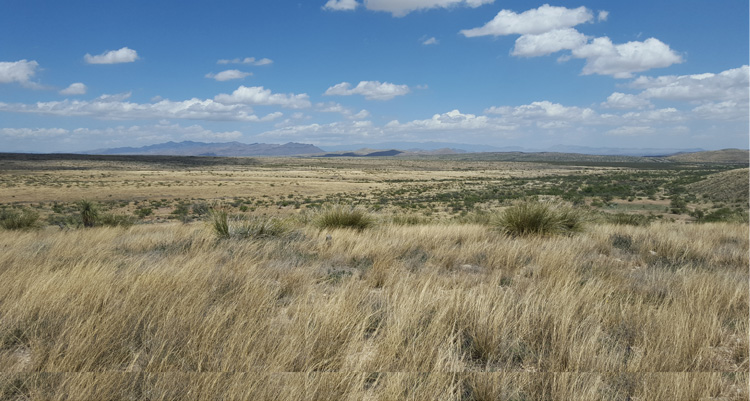
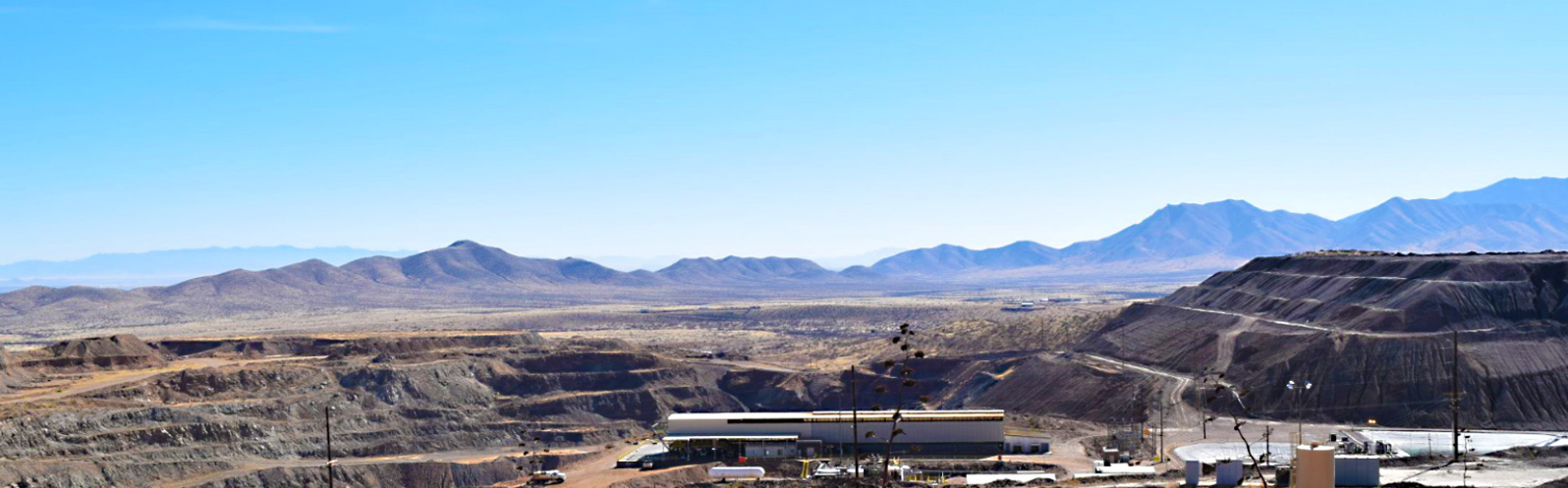
The Gunnison Project is located about 65 miles east of Tucson, Arizona on the southeastern flank of the Little Dragoon Mountains in the Cochise Mining District. The property is within the copper porphyry belt of Arizona.
The Gunnison Project hosts the Gunnison deposit and contains copper oxide and sulfide mineralization in potentially economic concentrations.
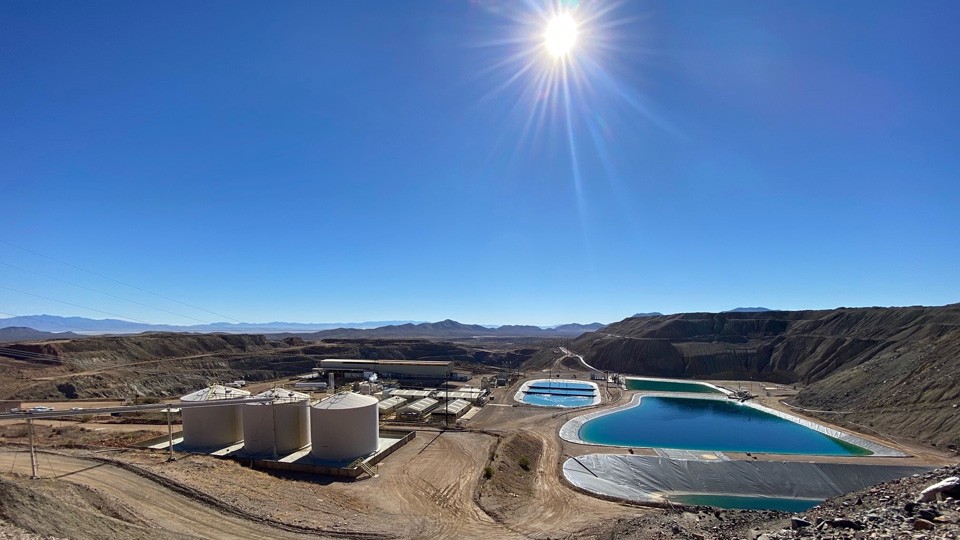
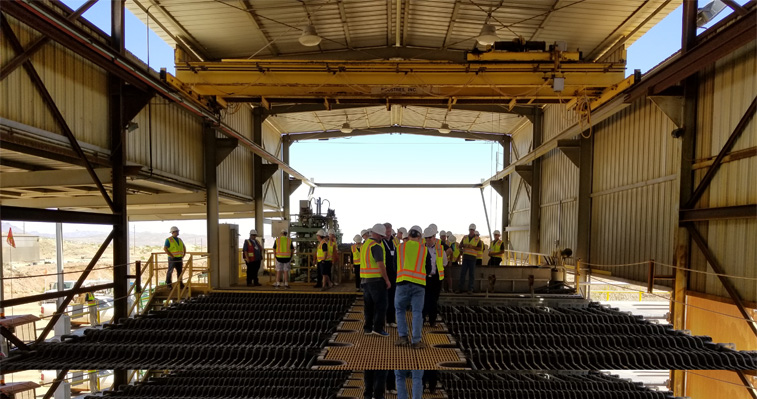
The PEA outlines an open pit heap leach and SX/EW operation extending over 21 years and producing LME Grade A copper cathodes directly onsite.
PROJECT HIGHLIGHTS
- Private and State land package and 100% ownership in Tier 1 jurisdiction
- Onsite power, rail and water in place
- Simple open pit heap-leach and SXEW operation
- Permitting framework is simple and streamlined with the State
NEXT STEPS
- Metallurgy and infill drilling
- Pre-Feasibility Study
- Definitive Feasibility Study
- Construction Decision
Highlights of the PEA (United States dollars)
- The Gunnison Project, a fully vertically integrated operation producing finished copper cathode on-site in Arizona for domestic U.S. supply chains, has an after-tax net present value (8%) of ~$2 billion and an internal rate of return (IRR) of 22.5% at a long-term copper price of $4.60/lb
- One of the most substantial open pit copper projects in the United States. The straightforward mine plan consists primarily of oxide copper mineralized material with a life of mine total processed of 541 million tons at 0.43% total copper grade, including 25 million tons at 0.85% total copper grade from the Strong & Harris satellite deposit
- Simplified and lower risk path to permitting; the Gunnison Project has current operating permits and there is a more streamlined amendment process to State and Local permits to proceed with open pit mining
- Significant economic impact to Cochise County, State of Arizona, and the United States nationally through creation of over 112,744 job years, $558 million in state and local county taxes, $1.43 billion in federal taxes, and $21.9 billion in total economic output
- Average annual copper cathode production of 174 million pounds (“lbs”) (87 thousand tons) for the first 15 years; enough to potentially supply over 11% of the current United States domestic refined copper metal production from mineralized material1. Total copper produced 3.2 billion lbs over a 21 year mine life
- Cash costs of $1.70, Sustaining Cash Costs of $2.00, and All-In Sustaining Cash Costs of $2.05 per pound of copper produced are in the lower half of the cost curve for copper mines globally
Environmental advantages include lower water usage per pound of copper produced versus copper concentrate producers, up to 10% reduced energy consumption due to on-site clean energy production, and zero risk of environmental impacts from tailings dam failures as there are no tailings produced.
The PEA is preliminary in nature and includes inferred mineral resources that are considered too speculative geologically to have the economic considerations applied to them that would enable them to be categorized as mineral reserves. There is no certainty that the conclusions reached in the PEA will be realized. Mineral resources that are not mineral reserves do not have demonstrated economic viability.